
After three decades repairing water heaters across Pittsburgh, I've noticed something interesting about the water flowing through our homes. The same water that causes problems in your basement water heater is the exact same water you're using for your morning coffee. What I see inside those tanks tells a story that every coffee drinker in Pittsburgh needs to hear.
Your coffee is 98% water. That's not just a number - it's the reason why water quality matters more than the fancy beans you're buying at the Strip District. Those minerals I find coating the inside of Pittsburgh water heaters - calcium and magnesium - they're sitting in your coffee cup too, changing every sip you take.
Scale buildup doesn't just happen in water heater tanks. The same mineral deposits that clog up your home's heating system are affecting how your coffee tastes. Too much mineral content makes your coffee bitter and chalky. Too little leaves you with a flat, lifeless cup that tastes like nothing.
Temperature control matters just as much. Your water heater works hard to maintain steady heat, and your coffee needs that same precision. The sweet spot sits between 195°F and 205°F for proper extraction. Miss that target - too hot or too cold - and you get bitter or sour coffee that no amount of sugar can fix.
Those contaminants I see shortening water heater lifespans? Chlorine and other chemicals floating around in Pittsburgh's water supply are messing with your coffee's flavor profile too. Both your water heater and your coffee maker need the same thing: clean, properly maintained water systems that deliver consistent results.
Sediment in Your Tank? Imagine That in Your Mug
You know what I find at the bottom of most water heater tanks here in Pittsburgh? A thick layer of white, gritty minerals that looks like crushed seashells mixed with sand. Calcium and magnesium deposits that have been building up for years, turning your once-efficient water heater into a sluggish, energy-wasting machine.
Your coffee cup has the same problem.
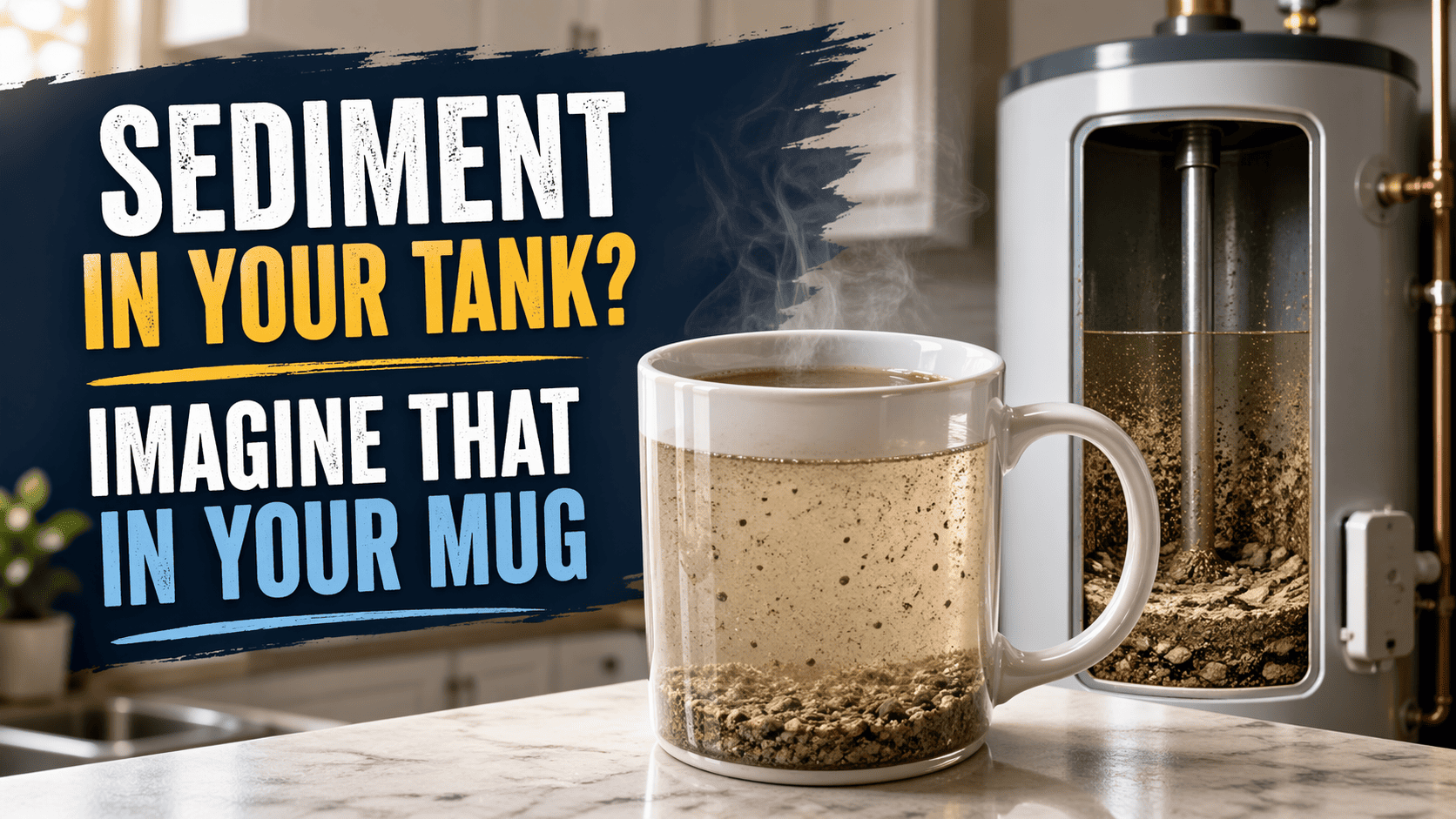
Those particles settling at the bottom of your mug aren't just annoying - they're affecting every sip you take. But here's the thing: while water heater sediment is nothing but trouble, coffee sediment actually adds to that rich, full-bodied taste you're after. The trick is knowing when you have too much of a good thing.
Water heater sediment cuts efficiency by 30%. Coffee sediment can turn your morning brew into a gritty mess that sticks to your teeth. Both problems have the same solution: better technique and regular maintenance.
French press lovers, listen up. Use a coarser grind - think sea salt, not table salt. Let those grounds settle for 30 seconds before you plunge. Rush the process and you'll push all those fine particles right through the filter.
Here's what I tell my customers about both systems: patience saves you money and frustration. When I drain a water heater, I always leave the sediment behind. Same goes for your French press - leave that last inch in the pot where the heaviest particles settle. Annual water heater draining removes the minerals that steal your hot water capacity. Smart coffee pouring keeps the grit out of your cup.
Regular Maintenance Keeps the Flavor Flowing
Your coffee maker and your water heater follow the same rules. Take care of them, and they'll take care of you. Ignore them, and you'll pay for it later - usually when you need them most.
Every coffee maker manufacturer tells you the same thing: descale every 3-6 months. That's exactly what I tell Pittsburgh homeowners about their water heaters. Same mineral buildup. Same problems. Same solution schedule. As a water heater repair specialist in Pittsburgh, I've watched too many people learn this lesson the expensive way.
Coffee oils turn rancid after just 45 minutes. Those bitter flavors creeping into your next pot? That's what happens when you skip the cleaning routine. Just like sediment choking your water heater's efficiency, dirty coffee equipment ruins everything that comes after.
Here's something that'll make you think twice about that coffee maker sitting on your counter: an NSF study found yeast and mold in half of household coffee reservoirs tested. Half. Your water heater tank might be cleaner than your coffee maker.
Limescale doesn't care whether it's blocking your Pittsburgh water heater or your espresso machine. It restricts water flow, messes with temperature control, and kills performance. Both systems need the same respect - regular attention prevents the big repair bills later.
The equipment that gets maintained properly lasts longer. Period. Whether we're talking about a $3,000 espresso machine or a residential water heater in Pittsburgh, the principle stays the same. Small maintenance today beats expensive replacements tomorrow.
Consistent Temperature is the Secret Ingredient
Temperature control separates good coffee from great coffee. Your water heater knows this - it fights every day to maintain steady heat against Pittsburgh's cold winters and fluctuating demand.

The perfect cup demands water between 195-205°F (90-96°C). This isn't some coffee snob nonsense. This range extracts the flavors, oils, and caffeine that make coffee worth drinking. Miss that target, and you're wasting good beans.
Too hot? Above 205°F pulls bitter compounds that make your coffee taste burnt and harsh. Too cold? Below 195°F gives you weak, sour coffee that lacks any real character.
Every day I fix water heaters that can't hold the proper temperature. They burn through energy trying to compensate, just like coffee makers struggling with inconsistent heat. Both systems need precise temperature regulation to work right.
Different roasts need different approaches. Light roasts want hotter water - 200-205°F works best. Dark roasts prefer slightly cooler temperatures around 190-195°F. The same principle applies to water heaters: different models have optimal settings that you ignore at your own expense.
Quality equipment that maintains steady temperature pays for itself. Whether you're buying a decent kettle or getting your Pittsburgh water heater serviced properly, consistent temperature control makes everything work better. Your morning coffee depends on it.
Upgrades Aren't Just for Baristas
Coffee lovers in Pittsburgh spend hundreds, sometimes thousands, on the perfect grinder or that shiny espresso machine they've been eyeing. We get it - we're a family business that appreciates quality equipment. But here's what thirty years of working in Pittsburgh homes has taught me: the most important upgrade for your coffee isn't sitting on your kitchen counter.
Your home's water system deserves the same attention you give that expensive espresso machine.
Every day, I walk into Pittsburgh homes where people complain about their coffee tasting off. They've got a $500 grinder, premium beans from Commonplace or La Prima, but they're still not happy. Then I check their water heater - rusted, full of sediment, running temperatures all over the place. That's your problem right there.
The water flowing through your home touches every cup you make. Houses with properly maintained, efficient water heating systems consistently produce better coffee. It's not magic - it's just clean, temperature-controlled water doing what it's supposed to do.
Think about these investments:
- A high-efficiency water heater ($1,200-2,500) costs about the same as a quality espresso machine but improves everything water touches in your home
- A whole-house water filtration system ($500-2,000) removes chlorine and contaminants that mask coffee's subtle flavors
- Regular professional water heater maintenance ($100-200 annually) ensures optimal performance, much like having your coffee equipment serviced
Your coffee ritual doesn't start when you flip the switch on your machine. It starts with the water system in your basement. We've been telling Pittsburgh families this for over thirty years: invest in your home's infrastructure first. Everything else - including that perfect cup of coffee - flows from there.
--------------------
Disclaimer: The prices mentioned in this blog are for informational purposes only and our due diligence of calling around. Remember pricing may vary based on location, job complexity, and other factors. Actual costs may differ and are subject to change without notice. For an accurate estimate, please contact a licensed plumbing professional.
Meet the Founders: Melisa and William (Bill) McNabb
William “Bill” McNabb is the co-owner and master plumber of W.J. McNabb Plumbing, a highly respected, family-owned plumbing company serving Pittsburgh, PA, and surrounding communities. With over 40 years of hands-on experience in the plumbing industry, Bill leads the company’s operations and is recognized for his technical expertise, integrity, and commitment to customer satisfaction. Bill holds NASSCO certifications in PACP, MACP, and LACP, ensuring his team adheres to the highest standards in pipeline and infrastructure assessment.
Melisa McNabb is the co-owner and office manager of W.J. McNabb Plumbing. She plays a pivotal role in the company’s daily operations, customer relations, and business development. Melisa is often the first point of contact for customers, ensuring that each client receives prompt, friendly, and knowledgeable service. She is instrumental in upholding the company’s mission of delivering top-rated service and maintaining a seamless experience for both customers and staff.
Location
W.J. McNabb Plumbing operates from their McKees Rocks location, serving homeowners and businesses throughout Pittsburgh and the surrounding communities. Their expert plumbing services and customer care reach neighborhoods across Allegheny, Beaver, Butler, and Washington Counties
Why Trust WJ McNabb Plumbing
You should call W.J. McNabb Plumbing because they treat every customer like a neighbor, showing up promptly, explaining repairs clearly, and always respecting your home and time. Their team is known for being personable, patient, and genuinely caring—whether you’re in a panic with a leak or just need advice, you’ll get friendly, honest service from people who want to make your day easier, not harder. Homeowners consistently praise their professionalism, kindness, and the peace of mind that comes from working with a family-owned business that values relationships as much as results.