What You Need to Know to Unclog a Toilet
After three decades of clearing toilet clogs throughout Pittsburgh, we know exactly what works and what doesn't. Here's what every homeowner should understand:
• Never flush twice - Stop the water flow immediately by lifting the tank flapper to prevent overflow and protect your floors
• Flange plungers clear 90% of clogs - Position correctly, create a tight seal, and pump steadily for 15-20 seconds until water drains
• Dish soap works when plungers don't - Pour soap into the bowl first, wait 30 minutes, then add hot water from waist height
• Recurring clogs need professional attention - Multiple blockages or water backing up elsewhere signals serious pipe problems
• Preparation prevents disasters - Lay towels around the base, wear rubber gloves, and keep a bucket nearby for safe cleanup
Most toilet clogs clear within minutes using these proven methods. Knowing when to call professional help saves you from expensive water damage and keeps your plumbing working properly.
We've Seen Every Clog Pittsburgh Homes Can Throw at Us
A clogged toilet emergency strikes at the worst possible moment. Maybe it's right before guests arrive, or your kids used way too much toilet paper again. Research shows that 20% of homeowners frequently deal with clogged toilets in their residence. Whatever the cause, you need a solution that works right now.
We've been helping Pittsburgh families fix their plumbing problems for over 30 years. From simple paper clogs to mysterious blockages that seem to appear out of nowhere, we've cleared them all. This guide shows you the exact techniques we use to unclog toilets quickly and safely. You'll learn proper plunging methods, effective alternatives when you don't have a plunger, and most importantly, when your clogged toilet Pittsburgh home requires our professional attention.
What You Need to Know Before You Start
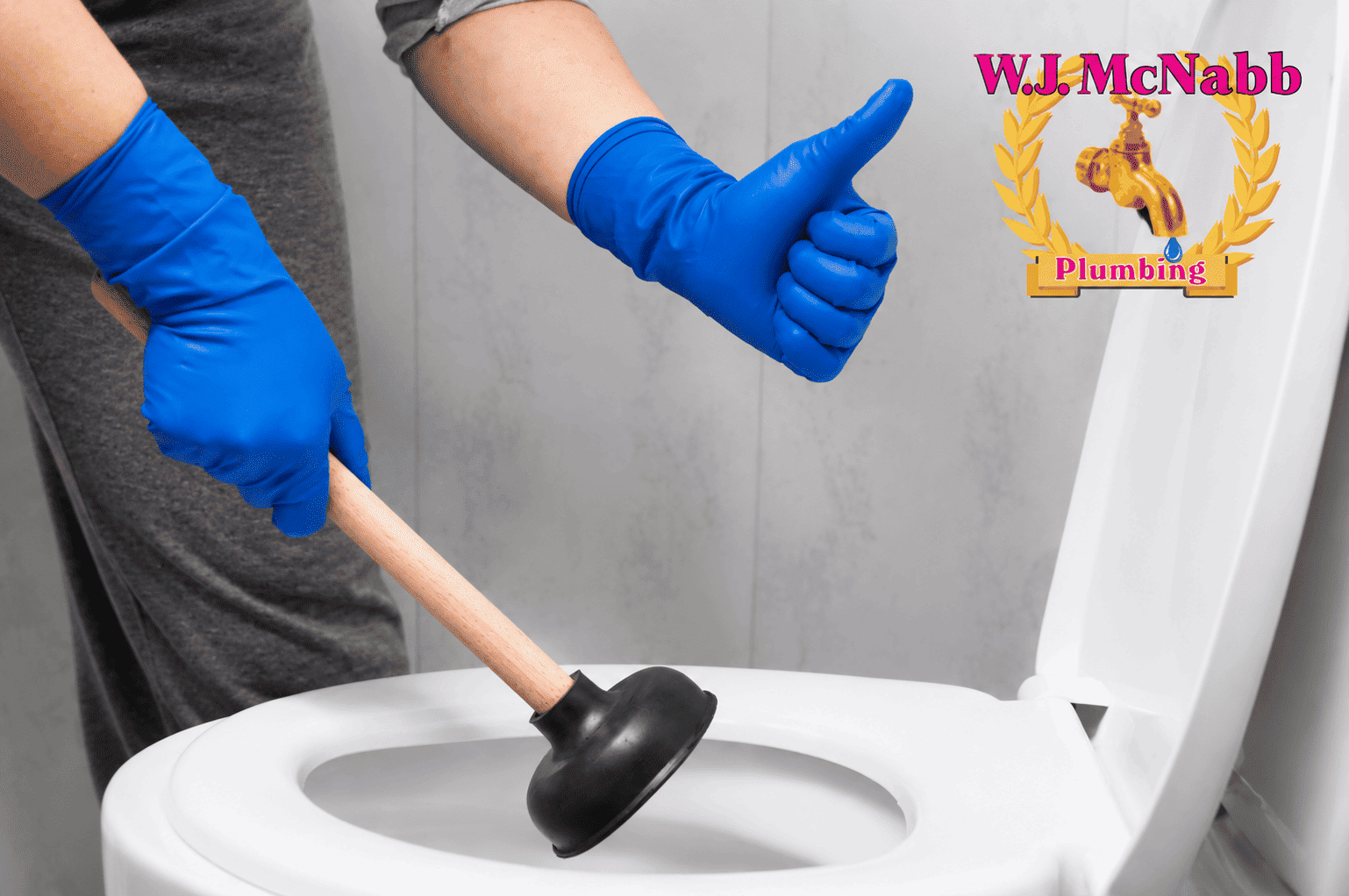
Your first instinct might be to flush again, hoping the blockage disappears. Stop right there. That second flush just adds more water to an already full bowl and sets you up for an overflow mess.
Stop the Water Flow First
Water rising in the bowl? Act fast. Lift that tank lid and find the round rubber flapper attached to a chain or lever. Push this flapper down to seal off water flow from tank to bowl. This simple move stops more water from entering and gives you time to work.
Want a more secure solution while you tackle the clog? Look for the water shut-off valve behind your toilet where it meets the wall, usually near the floor. Turn that valve clockwise to completely shut off your toilet's water supply.
Check Your Water Level
Before you start any unclogging method, take a look at the water level in your bowl. You need enough water to cover the rubber part of your plunger, but not so much that it spills when you insert the plunger.
Water sitting near the rim? Scoop some out with a bucket or disposable container. Remove just enough to give yourself working room. Water level too low? Add some from your sink or shower to make sure you get proper plunging pressure.
Get Your Supplies Ready
Lay old towels or newspapers around the toilet base to protect your bathroom floor. Pull on rubber gloves to keep your hands clean. Have a bucket ready for any excess water you need to remove. These simple steps prevent a mess and keep you safe during the unclogging process.
The Right Way to Plunge Your Toilet
Most toilet clogs clear with a plunger, but you need the right tool and the right technique.
Get the Right Plunger
Cup plungers don't work on toilets. Those flat-bottom plungers work fine for your kitchen sink, but they can't seal properly on a curved toilet drain. You need a flange plunger—the kind with an extended rubber flap that fits right into your toilet's drain opening. That flange creates the tight seal you need to generate real pressure.
Beehive plungers work well too. Their tiered design lets them seal on different toilet bowl shapes. Accordion plungers pack serious pressure, but they take more muscle to control.
How to Plunge the Right Way
Start by inserting the plunger at a slight angle so water fills the cup completely. This matters—air compresses under pressure and wastes your effort. Water doesn't compress, so every bit of force goes straight to breaking up that clog.
Position the flange inside the drain opening and press down firmly. You want a complete seal around the opening with no air escaping around the edges.
Begin with gentle pumps to push out any remaining air. Listen for that squishing sound as water moves back and forth—that tells you your seal is working. Once you hear it, pump hard for 15 to 20 seconds. Keep the handle straight up and maintain that seal the whole time.
The push-and-pull action breaks most clogs apart. When you see the water start draining, plunge a few more times to make sure everything clears completely.
Mistakes That Make Things Worse
Plunging too fast breaks your seal and splashes dirty water everywhere. Fast plunging can also push the blockage deeper into your pipes. Stick with controlled, steady strokes.
Never mix plunging with chemical drain cleaners. Those chemicals can splash onto your skin or into your eyes while you're plunging.
Don't break the seal halfway through your stroke—it kills your effectiveness. If several good attempts don't clear the clog, you're probably dealing with something that needs professional attention.
Quick Fixes When You Don't Have a Plunger Handy
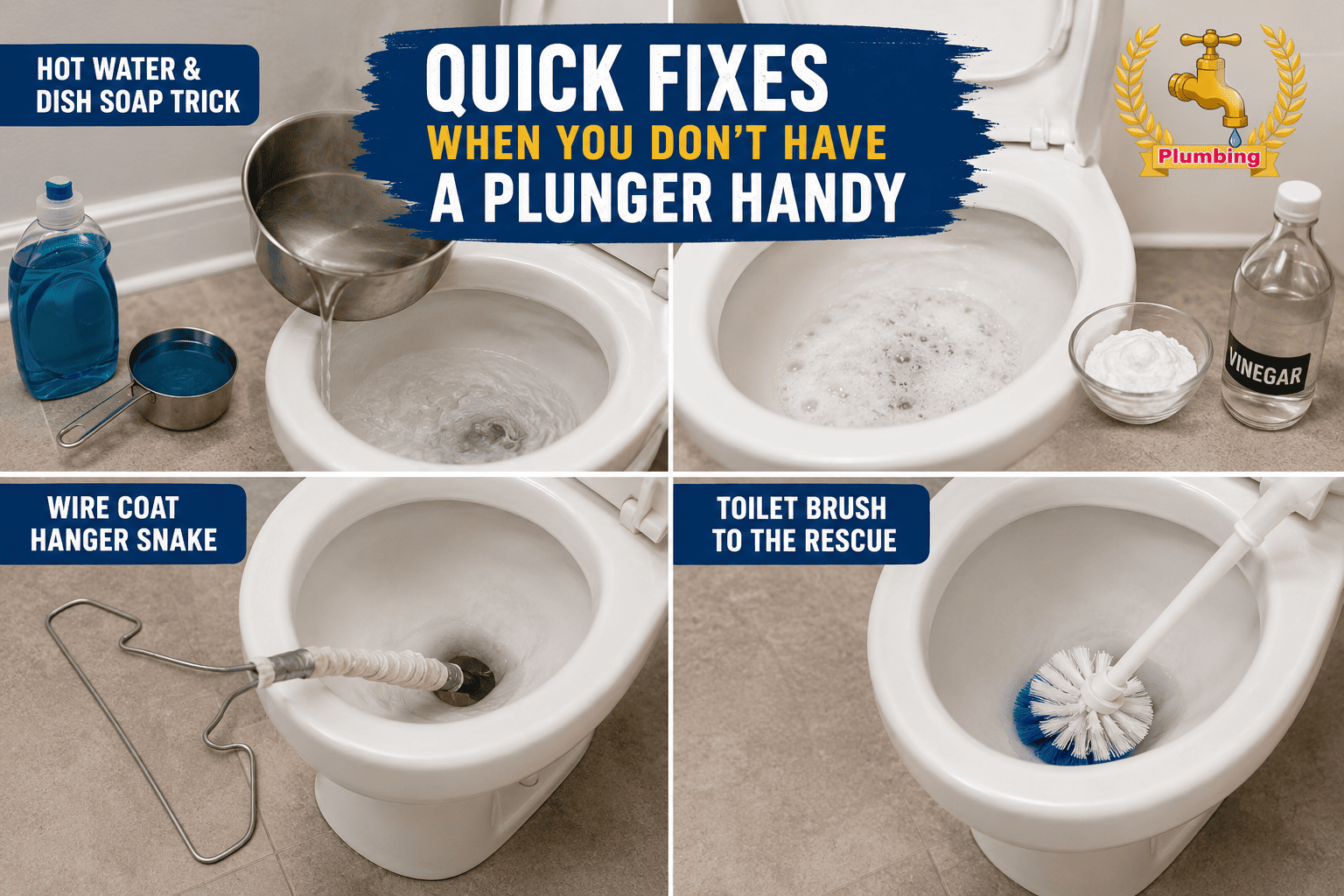
No plunger around? We've been there. After three decades of Pittsburgh plumbing calls, we've seen homeowners get creative with what they have on hand. These household items work surprisingly well.
The Hot Water and Dish Soap Trick
Start with half a cup of regular dish soap poured right into the toilet bowl. Aim for the drain opening if you can. Dish soap lubricates waste materials and breaks down bonds between fats and grease. The molecules in dish soap attach to waste while bonding with water, making everything slippery enough to slide through your pipes.
Give the soap 15 to 30 minutes to work its way into the blockage. While you wait, heat up a gallon of water until it's hot but not boiling. Pour it from waist height into the bowl. That extra force from the height, combined with the heat, often softens stubborn clogs. Just don't use boiling water–we've replaced too many cracked porcelain toilets over the years.
Baking Soda and Vinegar Solution
Pour one cup of baking soda into the bowl, then slowly add two cups of vinegar. You'll hear the fizzing reaction that creates pressure against the clog while breaking it into smaller pieces. Let this mixture sit for 20 to 30 minutes. Add hot water and flush to clear everything out.
Wire Coat Hanger Snake
Straighten out a wire coat hanger and wrap one end with a cloth, securing it with duct tape to protect your porcelain. We've seen too many scratched toilet bowls from bare wire. Insert the wrapped end into the drain opening and rotate it clockwise and counterclockwise as you push deeper. This twisting motion helps you navigate the curved trap. When you feel resistance, use gentle back-and-forth movements to break apart whatever's stuck.
Your Toilet Brush Can Help Too
A toilet brush works for lighter blockages like too much toilet paper. Make sure the brush head connects securely to the handle first. Gently push the head into the drain and use a push-and-pull motion until water starts draining. It won't generate the same force as a proper plunger, but it handles minor clogs just fine.
When You Need to Call a Pittsburgh Plumber
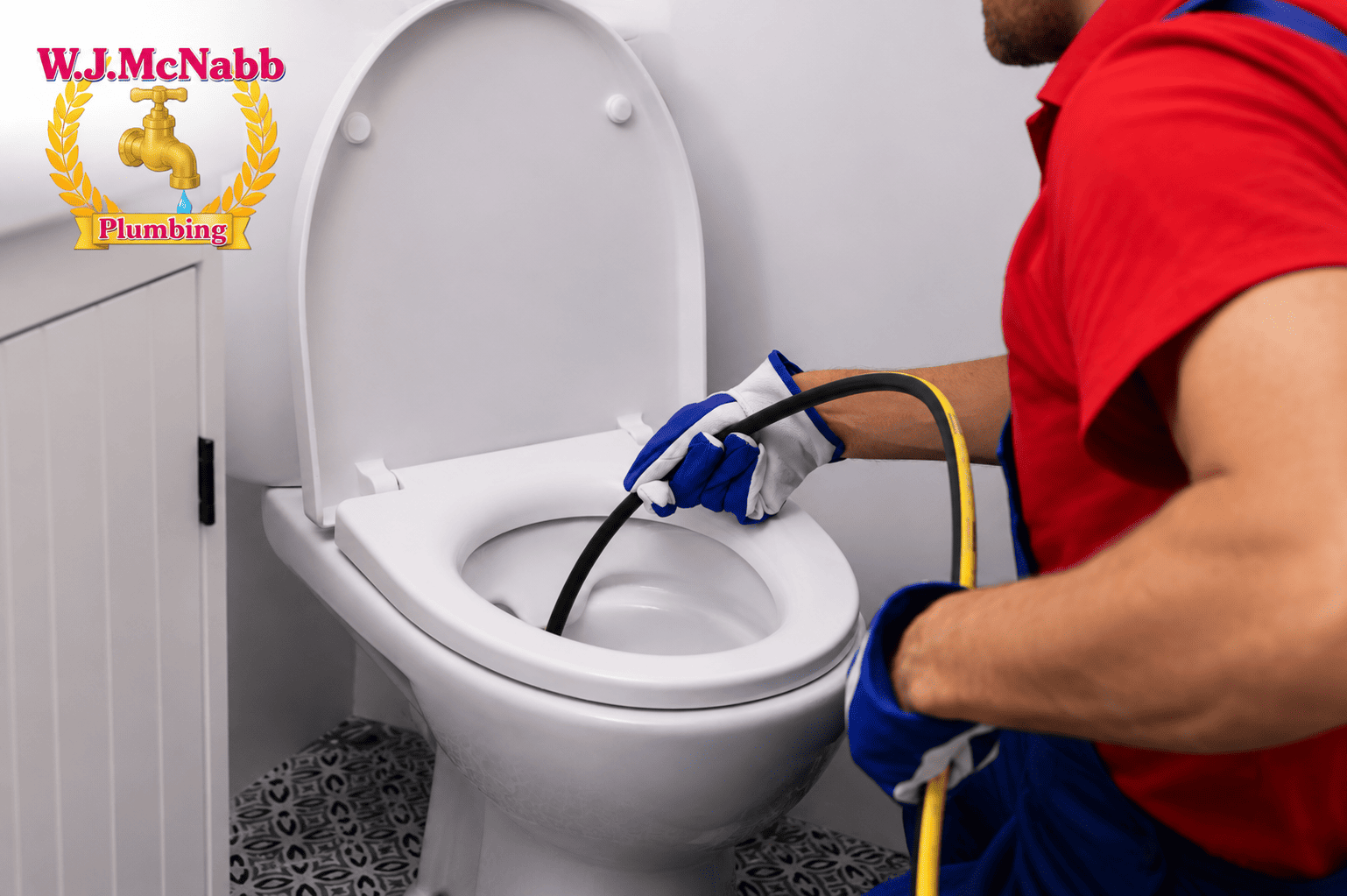
Some toilet clogs fight back, and knowing when to stop trying DIY methods protects your home from serious damage.
Deep Clogs That Won't Budge
You've tried everything—plunging, hot water, even that wire hanger trick. The toilet still won't drain. That blockage sits deep in your pipes where household tools can't reach it. We've seen clogs lodged in the curved trap behind your toilet or way down in the main drain line. These stubborn blockages need our motorized augers and professional-grade equipment to clear them safely without damaging your pipes.
Your Toilet Keeps Clogging Again and Again
One clogged toilet? That happens to everyone. But when your toilet clogs every few weeks, something bigger is wrong. Tree roots growing into your sewer line, old corroded pipes, or mineral buildup from Pittsburgh's hard water could be the real problem. Keep trying DIY fixes on recurring clogs and you'll end up with expensive pipe damage. We'll find the actual cause instead of just treating the symptoms.
Water Shows Up Where It Shouldn't
Multiple drains backing up at once means trouble with your main sewer line. When you flush the toilet and water backs up into your shower, or when sinks and toilets throughout your home drain slowly at the same time, you're dealing with a main line blockage. These situations create health hazards from wastewater exposure and need immediate attention. This isn't a DIY job—it's time to call the professionals.
At W.J. McNabb Plumbing™, we've handled every type of toilet emergency Pittsburgh homes can throw at us. Our experience and specialized equipment clear blockages safely, and all our work comes with a 100% satisfaction guarantee.
Having Toilet Troubles? Call a Professional Plumber Today
Professional toilet repair requires more than basic household tools and temporary DIY fixes. At WJ McNabb Plumbing, our licensed Pittsburgh plumbers bring over 40 years of experience diagnosing and repairing toilet problems quickly and correctly. From stubborn clogs and running toilets to hidden leaks and damaged flush valves, we provide lasting repairs backed by a 1-year warranty and 100% satisfaction guarantee.
When wastewater threatens your home, fast service matters. WJ McNabb Plumbing offers prompt toilet repair throughout Pittsburgh with fully stocked trucks ready to handle most problems on the first visit. Our experienced plumbers use professional-grade equipment to restore your toilet safely and efficiently, helping homeowners avoid water damage, costly plumbing repairs, and unnecessary stress.
--------------------
Disclaimer: The prices mentioned in this blog are for informational purposes only and our due diligence of calling around. Remember pricing may vary based on location, job complexity, and other factors. Actual costs may differ and are subject to change without notice. For an accurate estimate, please contact a licensed plumbing professional.
Meet the Founders: Melisa and William (Bill) McNabb
William “Bill” McNabb is the co-owner and master plumber of W.J. McNabb Plumbing, a highly respected, family-owned plumbing company serving Pittsburgh, PA, and surrounding communities. With over 40 years of hands-on experience in the plumbing industry, Bill leads the company’s operations and is recognized for his technical expertise, integrity, and commitment to customer satisfaction. Bill holds NASSCO certifications in PACP, MACP, and LACP, ensuring his team adheres to the highest standards in pipeline and infrastructure assessment.
Melisa McNabb is the co-owner and office manager of W.J. McNabb Plumbing. She plays a pivotal role in the company’s daily operations, customer relations, and business development. Melisa is often the first point of contact for customers, ensuring that each client receives prompt, friendly, and knowledgeable service. She is instrumental in upholding the company’s mission of delivering top-rated service and maintaining a seamless experience for both customers and staff.
Location
W.J. McNabb Plumbing operates from their McKees Rocks location, serving homeowners and businesses throughout Pittsburgh and the surrounding communities. Their expert plumbing services and customer care reach neighborhoods across Allegheny, Beaver, Butler, and Washington Counties
Why Trust WJ McNabb Plumbing
You should call W.J. McNabb Plumbing because they treat every customer like a neighbor, showing up promptly, explaining repairs clearly, and always respecting your home and time. Their team is known for being personable, patient, and genuinely caring—whether you’re in a panic with a leak or just need advice, you’ll get friendly, honest service from people who want to make your day easier, not harder. Homeowners consistently praise their professionalism, kindness, and the peace of mind that comes from working with a family-owned business that values relationships as much as results.