A clogged toilet can overflow fast, sending wastewater across your bathroom floor and creating a nasty mess. Toilet blockages aren't just inconvenient—they can cost you serious money if you don't take care of them right away. Here's the good news: most clogs get fixed in about 1 hour. We'll show you exactly how to fix a clogged toilet using techniques we've perfected over three decades working in Pittsburgh homes. You'll learn effective solutions that work, from simple home fixes to professional methods. We'll explain what causes these blockages, what to do when your toilet backs up, and how to stop future problems before they start.
What You Need to Know About a Clogged Toilet Right Away
Years of experience helped us crack the code and these proven methods will get your toilet working again fast. Here's what really works when you're dealing with a blocked toilet.
• Start with hot water and dish soap - This simple technique clears 85% of typical clogs without any special tools or harsh chemicals.
• Remember the three Ps rule - Only pee, poop, and toilet paper belong in your toilet. "Flushable" wipes and feminine products create serious blockages that we see every week.
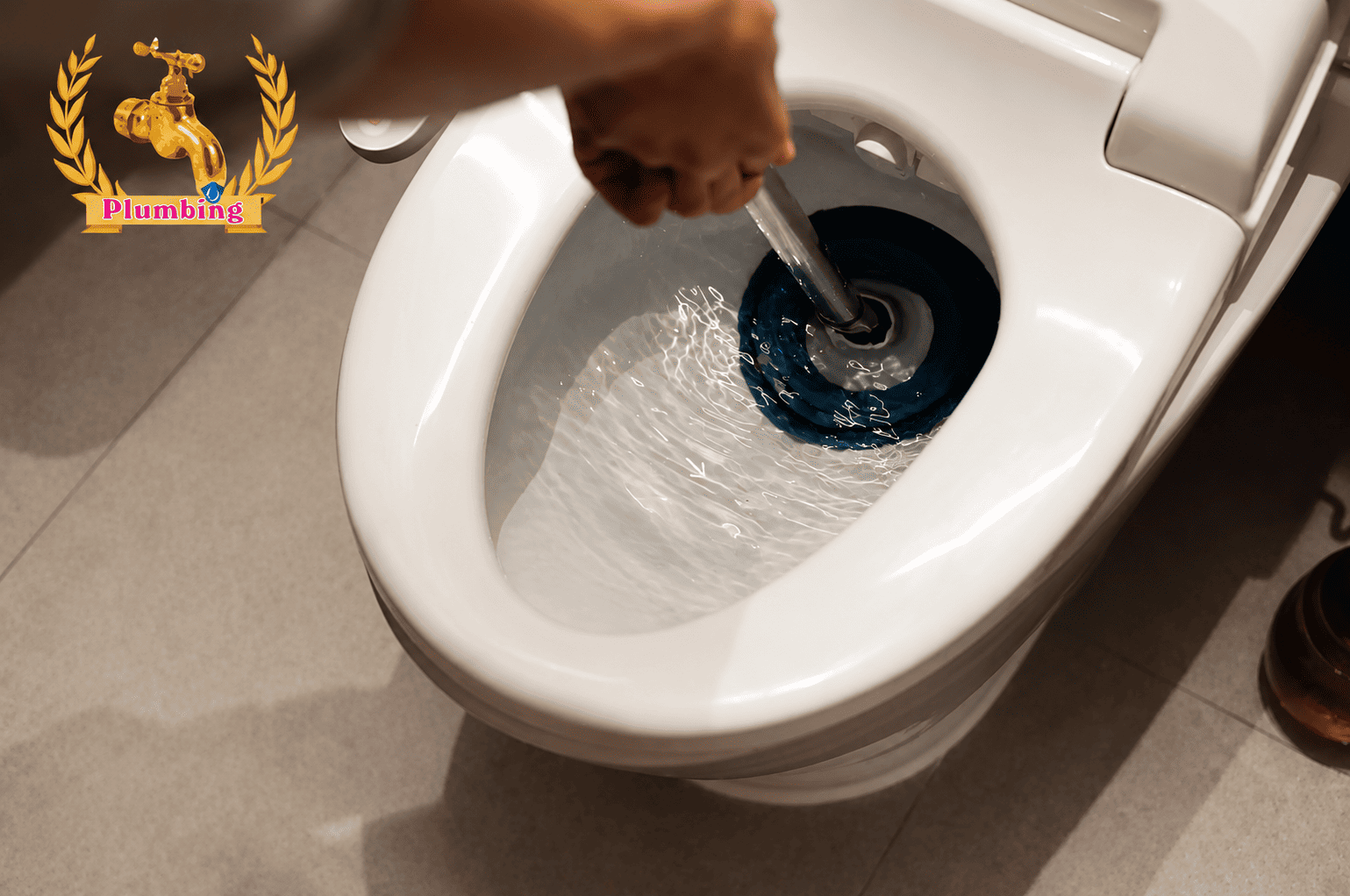
• Use your plunger the right way - Create a tight seal, start with gentle pressure to push out air, then use 10-12 rapid thrusts for maximum power.
• Call us for repeat problems - Multiple blockages or sewage backing up into other drains means deeper sewer line trouble that needs professional diagnosis.
• Fold toilet paper, don't wad it - This simple habit prevents clogs while using less paper, especially important with thick, quilted brands that don't break down quickly.
Most toilet clogs clear up within an hour using these methods we've perfected serving Pittsburgh homes, but knowing when to call for help protects your home from water damage and expensive repairs.
What's Really Causing Your Clogged Toilet
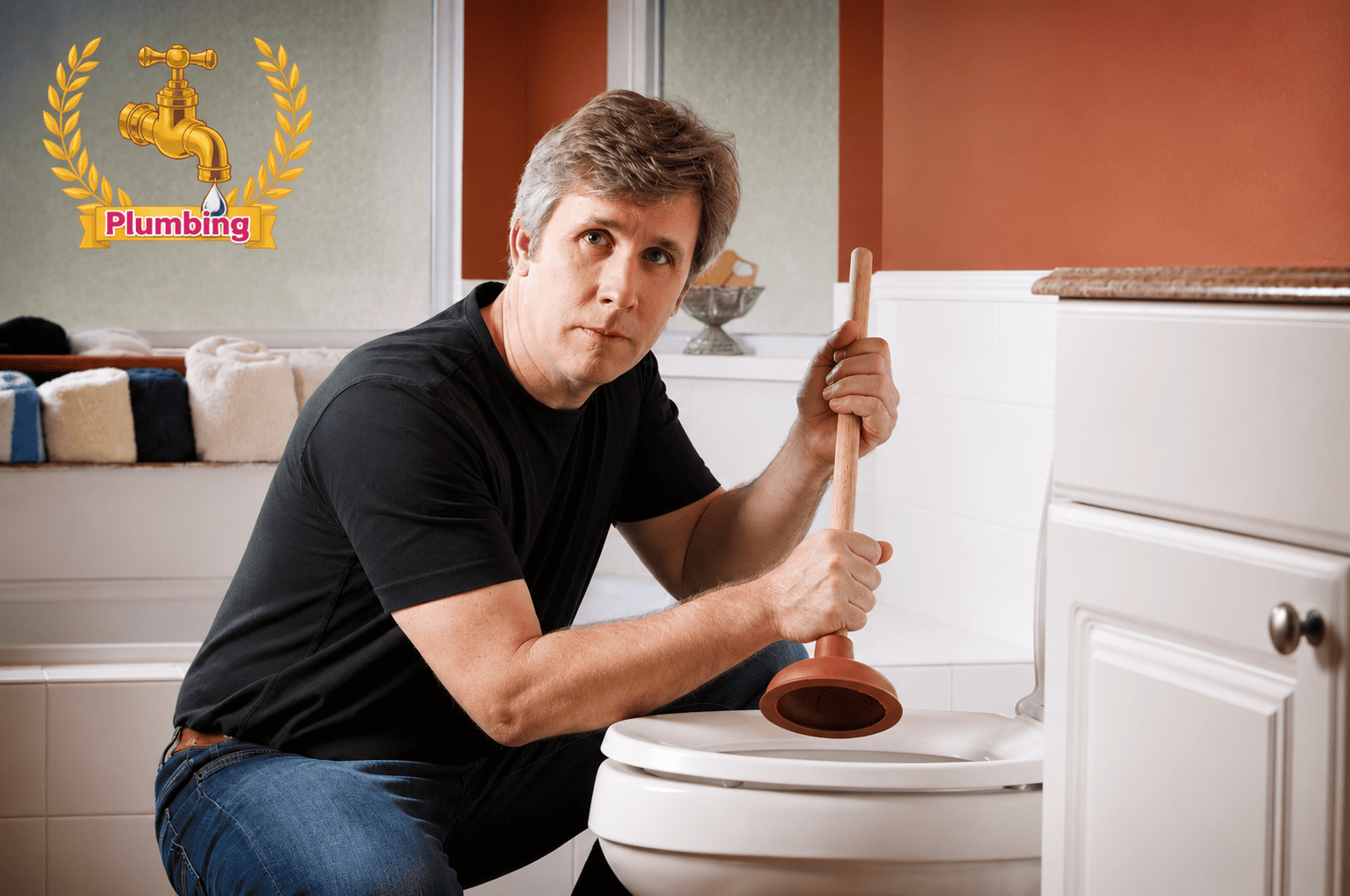
After three decades working Pittsburgh plumbing, we've seen every type of blockage you can imagine. Here's what actually causes most toilet clogs in Pittsburgh homes.
Too Much Toilet Paper Does the Damage
That thick, quilted toilet paper feels great, but it's trouble for your pipes. We see this constantly—those triple-ply brands just don't break down fast enough. When you wad it up instead of folding, those paper balls stick together in your toilet trap like glue. Older Pittsburgh toilets with weaker flushes struggle even more. Single-ply helps, but you still can't go crazy with the amount.
Items That Should Never Go Down
Your toilet handles three things: pee, poop, and toilet paper. That's it. We've pulled everything else out of Pittsburgh toilets—baby wipes that say "flushable" (they're not), tampons, cotton swabs, even kids' toys. Paper towels and tissues don't dissolve like toilet paper does. They catch on every bend and joint in your pipes. Those feminine products? They swell up when wet and block everything downstream.
When Your Flush Gets Weak
Weak flushes tell us something's wrong in your tank. Maybe that rubber flapper closes too soon, cutting off water before waste clears the trap. Could be those little rim jets under your toilet bowl got clogged up. Sometimes the water level sits too low because the float needs adjusting. Any of these problems leave you with a toilet that can't push waste through properly.
Roof Vents and Sewer Line Troubles
Those plumbing vents on your roof? They pull fresh air into your system to make flushes stronger. Pittsburgh weather blocks them with leaves, snow, even bird nests. When vents can't work, you'll smell sewage and get weak flushes. Bigger problems happen deep in your sewer line—tree roots growing through old pipe cracks, grease buildup, or non-flushable items creating blockages that affect multiple drains at once.
Fix Your Clogged Toilet Without a Plunger
You don't always need a plunger to get your toilet working again. These tried-and-true methods use items you already have around your Pittsburgh home.
Hot Water and Dish Soap Method
Grab a bucket and fill it with hot tap water–but skip the boiling water that could crack your porcelain. Pour a generous squeeze of liquid dish soap right into the bowl, aiming for the drain opening. The soap molecules work their magic here: hydrophobic ends grab onto fats and grease while hydrophilic ends bond with water, breaking down the waste materials that are causing your problem. Pour that hot water into the bowl and give it 10-15 minutes to work. The heat softens everything up while the soap makes it slippery enough to slide right through your pipes. Give it a flush and see what happens. This simple method clears 85% of typical clogs.
Baking Soda and Vinegar Solution
Pour one cup of baking soda into your toilet bowl first. Now here's the key–add two cups of vinegar slowly to keep that fizzing reaction from overflowing all over your bathroom floor. That chemical reaction creates pressure and foam that pushes outward, potentially shoving the clog right down the pipe. All that fizzing also breaks stubborn clogs into smaller pieces. Wait 30 minutes for the mixture to do its work. Watch for water levels dropping or bubbles coming up from the bottom, then flush. Got a really stubborn blockage? Run through the process again and let that solution sit overnight.
Wire Hanger Drain Snake
Take a wire coat hanger and straighten it out with pliers. Wrap some cloth around the hook end–you don't want to scratch up your toilet's porcelain. Put on rubber gloves and work that wrapped end into the drain, wiggling it around to break up whatever's stuck down there. Push and twist gently until you feel the blockage give way and water starts draining. Flush several times to wash away any remaining debris.
Epsom Salt Treatment
Pour one cup of Epsom salt into the bowl. The magnesium sulfate reacts with water and creates a fizzing action that breaks down waste and loosens up clogs. Give it 15 minutes to work, then add four cups of warm water for some gentle force and extra heat. Flush the toilet to clear the blockage.
When Home Remedies Don't Work: Tools That Get the Job Done
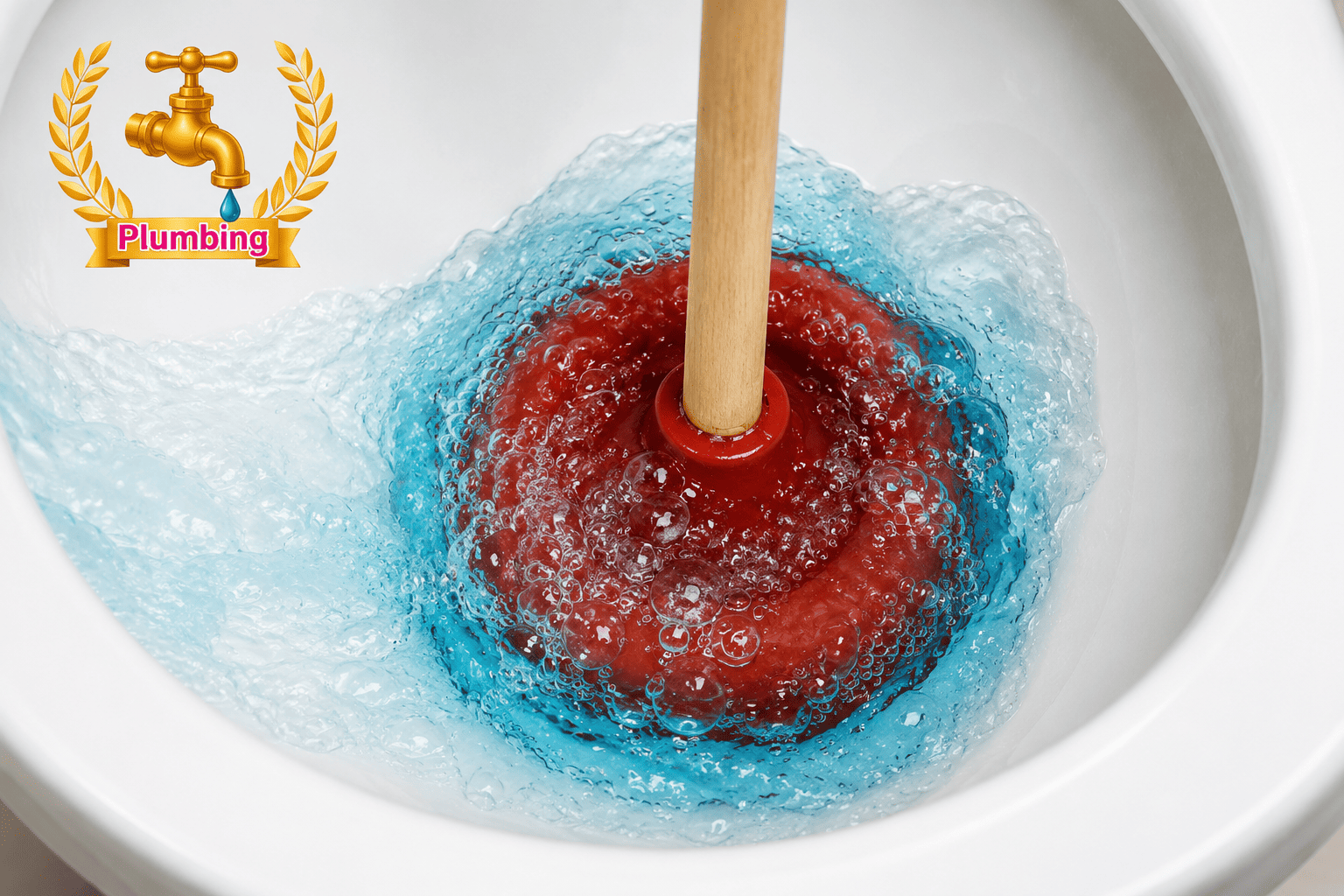
Sometimes you need the right tools to clear stubborn blockages. Here's how to use them properly.
Using a Flange Plunger the Right Way
Get yourself a flange plunger—not a cup plunger. The rubber flap creates a tight seal that fits directly into your toilet drain. Run hot water over the rubber first to soften it and improve the seal.
Position the flange inside the drain opening. Press down gently on your first plunge to push out trapped air. Air compresses and kills your effectiveness, so this gentle first push fills the cup with water instead.
Grip the handle with both hands and keep it vertical. Push down firmly, then pull up while keeping that seal tight. Use 10 to 12 rapid thrusts for most clogs. Work for 15 to 20 seconds, then check if water drains. Most blockages clear within 10 minutes of proper plunging.
When to Reach for a Toilet Auger
Plunging didn't work? Time for an auger. This tool handles solid objects stuck deep in the trap or clogs that won't budge with pressure alone.
Insert the curved plastic sleeve into the drain opening first—this protects your porcelain from scratches. Leave four to six inches of cable between the drain and handle pipe, then tighten the screw.
Push the cable through while turning the handle clockwise. When you feel resistance, push forward to break up or hook the blockage. Pull the cable out slowly after you've grabbed what's causing the problem.
Wet/Dry Vacuum for the Really Stubborn Ones
This method works when you've got partial clogs or need to remove solid objects that fell into the bowl.
Turn off your toilet's water supply first. Remove the vacuum filter, then suck all water from the bowl. Place the tube into the drain and wrap a towel around it for a proper seal. Turn on the vacuum for about 10 seconds.
This technique pulls out blockages that other methods can't reach.
Stop Toilet Clogs Before They Start - Your Pittsburgh Home Defense Plan
Smart prevention beats dealing with messy blockages every time. After three decades of unclogging Pittsburgh toilets, we know exactly what causes problems and how you can avoid them.
The Three Ps Rule - What Belongs in Your Toilet
Your toilet handles three things: pee, poop, and toilet paper. That's it. Those "flushable" wipes everyone talks about? They don't break down like real toilet paper and create nasty blockages that'll have you calling us at midnight. Feminine products swell up when they hit water, turning into pipe-blocking monsters. Cotton balls, dental floss, paper towels - none of that dissolves the way it should. Keep that toilet lid closed when kids are around, or you'll be fishing toys out of the drain.
Toilet Paper Tricks That Actually Work
Fold your toilet paper instead of bunching it into a wad. Folding uses less paper and won't jam up your pipes like those thick quilted brands that look nice but dissolve about as well as cardboard. Need more paper? Flush twice during use rather than stuffing everything down at once. Your toilet will thank you.
Keep Your Toilet Running Right
Clean your toilet with vinegar or baking soda - simple stuff that works without harsh chemicals. Check inside that tank every six months. Make sure the flapper seals tight and your water level sits where it should. Hear your toilet running constantly? Fix it now, because weak flushes lead to clogs.
Teach Your Family the Rules
Start teaching kids proper toilet habits early. Show them what never goes down the drain and how much paper actually works. Even older kids need reminders about the three Ps rule and why following it matters.
When to Call Your Premier Pittsburgh Plumber™
Call a plumber the moment multiple drains start acting up or sewage backs up anywhere else in your house. Clogs that keep coming back despite doing everything right? That's your sewer line talking, and it needs professional attention. Sewage smells plus blockages mean main line trouble that requires real equipment, not home remedies.
We've seen every kind of clog Pittsburgh can throw at a toilet. Sometimes prevention isn't enough, and that's exactly when you need someone who knows what they're doing.
Call an Expert Plumber in Pittsburgh to Unclog Your Toilet Today
Although you now know multiple clogged toilet solutions, some situations demand professional expertise. Recurring blockages signal deeper pipe damage that home remedies for a clogged toilet won't resolve. Main sewer line issues require specialized cameras and equipment to locate and clear the obstruction.
Professional plumbers diagnose problems you can't see. Tree root infiltration damages pipes gradually, while corroded cast iron lines develop rough interiors that snag waste. These underlying issues make your toilet vulnerable to frequent clogs, no matter how carefully you follow prevention steps.
Emergency situations need immediate attention. Sewage backing up through your toilet creates health hazards that worsen by the hour. Water damage spreads quickly across floors and into subfloors, particularly in older Pittsburgh homes with wooden joists.
When you've tried everything on what to do when my toilet is clogged without success, calling an expert saves you time and prevents further damage. A trained plumber brings years of experience tackling stubborn blockages and knows how to fix a clogged toilet efficiently, whether you need a simple clogged toilet no plunger solution or complex sewer line repair.
Skip the frustration of repeated attempts. Professional service restores your toilet's function quickly, protecting your home from water damage and unsanitary conditions while addressing root causes you might miss.
--------------------
Disclaimer: The prices mentioned in this blog are for informational purposes only and our due diligence of calling around. Remember pricing may vary based on location, job complexity, and other factors. Actual costs may differ and are subject to change without notice. For an accurate estimate, please contact a licensed plumbing professional.
Meet the Founders: Melisa and William (Bill) McNabb
William “Bill” McNabb is the co-owner and master plumber of W.J. McNabb Plumbing, a highly respected, family-owned plumbing company serving Pittsburgh, PA, and surrounding communities. With over 40 years of hands-on experience in the plumbing industry, Bill leads the company’s operations and is recognized for his technical expertise, integrity, and commitment to customer satisfaction. Bill holds NASSCO certifications in PACP, MACP, and LACP, ensuring his team adheres to the highest standards in pipeline and infrastructure assessment.
Melisa McNabb is the co-owner and office manager of W.J. McNabb Plumbing. She plays a pivotal role in the company’s daily operations, customer relations, and business development. Melisa is often the first point of contact for customers, ensuring that each client receives prompt, friendly, and knowledgeable service. She is instrumental in upholding the company’s mission of delivering top-rated service and maintaining a seamless experience for both customers and staff.
Location
W.J. McNabb Plumbing operates from their McKees Rocks location, serving homeowners and businesses throughout Pittsburgh and the surrounding communities. Their expert plumbing services and customer care reach neighborhoods across Allegheny, Beaver, Butler, and Washington Counties
Why Trust WJ McNabb Plumbing
You should call W.J. McNabb Plumbing because they treat every customer like a neighbor, showing up promptly, explaining repairs clearly, and always respecting your home and time. Their team is known for being personable, patient, and genuinely caring—whether you’re in a panic with a leak or just need advice, you’ll get friendly, honest service from people who want to make your day easier, not harder. Homeowners consistently praise their professionalism, kindness, and the peace of mind that comes from working with a family-owned business that values relationships as much as results.